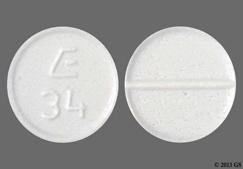
Tizanidine (Zanaflex) is an inexpensive drug used to manage spasticity (unusual tightness, stiffness, or rigidity of muscles). It is more popular than comparable drugs. It is available in generic and brand versions. Generic tizanidine is covered by most Medicare and insurance plans, but some pharmacy coupons or cash prices may be lower.
Tizanidine is used to help relax certain muscles in your body. It relieves spasms, cramping, and tightness of the muscles caused by medical problems, such as multiple sclerosis or certain injuries to the spine. Tizanidine does not cure these problems, but it may allow other treatment, such as physical therapy, to be more helpful in improving your condition.
Tizanidine acts on the central nervous system (CNS) to produce its muscle relaxant effects. Its actions on the CNS may also cause some of the medicine's side effects.
This medicine is available only with your doctor's prescription.
Take this medicine only as directed by your doctor. Do not take more of it and do not take it more often than your doctor ordered. To do so may increase the chance of side effects.
When you take the different dosage forms (tablets, capsules, capsule contents sprinkled over applesauce) of tizanidine with food, it affects the amount of the medicine absorbed into your blood differently. Follow your doctor's instructions for when to take this medicine and whether or not you should take it with food.
Along with its needed effects, a medicine may cause some unwanted effects. Although not all of these side effects may occur, if they do occur they may need medical attention.
Check with your doctor immediately if any of the following side effects occur:
More common
Chest pain or discomfort
fever or chills
nausea or vomiting
nervousness
pain or burning while urinating
unusual tiredness
Less common
Blurred vision
flu-like symptoms
irregular heartbeat
itching skin
kidney stones
right upper stomach tenderness
seeing things that are not there
shortness of breath
weight gain
Incidence not known
Continuing vomiting
general feeling of tiredness or weakness
headache
light-colored stools
Get emergency help immediately if any of the following symptoms of overdose occur:
Symptoms of overdose
Blurred vision
change in consciousness
chest pain or discomfort
confusion
decreased awareness or responsiveness
difficult or troubled breathing
dizziness, faintness or lightheadedness when getting up from a lying position
irregular, fast or slow, or shallow breathing
lightheadedness, dizziness, or fainting
loss of consciousness
pale or blue lips, fingernails, or skin
severe sleepiness
sleepiness or unusual drowsiness
slow or irregular heartbeat
sweating
unusual tiredness or weakness
Some side effects may occur that usually do not need medical attention. These side effects may go away during treatment as your body adjusts to the medicine. Also, your health care professional may be able to tell you about ways to prevent or reduce some of these side effects. Check with your health care professional if any of the following side effects continue or are bothersome or if you have any questions about them:
More common
Dizziness or lightheadedness, especially when getting up from a lying or sitting position
drowsiness
dry mouth
fatigue
sleepiness
weakness
Less common
Constipation
nervousness
sore throat
Other side effects not listed may also occur in some patients. If you notice any other effects, check with your healthcare professional.
Call your doctor for medical advice about side effects. You may report side effects to the FDA at 1-800-FDA-1088.
It is important that your doctor check your progress at regular visits, especially during the first few weeks of treatment with this medicine. This will allow your doctor to see if the medicine is working properly and to check for unwanted effects. Blood tests may be needed to check for unwanted effects.
Do not use this medicine together with ciprofloxacin or fluvoxamine. Using these medicines together may cause serious unwanted effects.
Dizziness, lightheadedness, or fainting may occur when you get up suddenly from a lying or sitting position. Getting up slowly may help lessen this problem.
Check with your doctor right away if you have pain or tenderness in the upper stomach, pale stools, dark urine, loss of appetite, nausea, vomiting, or yellow eyes or skin. These could be symptoms of a serious liver problem.
This medicine will add to the effects of alcohol and other CNS depressants (medicines that make you drowsy or less alert). Some examples of CNS depressants are antihistamines or medicine for hay fever, other allergies, or colds, sedatives, tranquilizers, or sleeping medicine, prescription pain medicine or narcotics, barbiturates, medicine for seizures, other muscle relaxants, or anesthetics, including some dental anesthetics. Check with your doctor before taking any of the above while you are using tizanidine.
This medicine may cause dizziness, drowsiness, lightheadedness, clumsiness or unsteadiness, or vision problems in some people. Make sure you know how you react to this medicine before you drive, use machines, or do anything else that could be dangerous if you are not alert, well-coordinated, and able to see well.
Hallucinations (visual) may occur while you are using this medicine. Check with your doctor right away if you have hallucinations (seeing things that are not there).
This medicine may cause serious allergic reactions, including anaphylaxis. Anaphylaxis can be life-threatening and requires immediate medical attention. Call your doctor right away if you have a rash, itching, trouble breathing, trouble swallowing, or any swelling of your hands, face, or mouth while you are using this medicine.
Do not suddenly stop taking this medicine without checking first with your doctor. Your doctor may want you to gradually reduce the amount you are using before stopping completely. This may help prevent a possible worsening of your condition and reduce the possibility of withdrawal symptoms.
Tizanidine may cause dryness of the mouth. For temporary relief, use sugarless candy or gum, melt bits of ice in your mouth, or use a saliva substitute. However, if dry mouth continues for more than 2 weeks, check with your medical doctor or dentist. Continuing dryness of the mouth may increase the chance of dental disease, including tooth decay, gum disease, and fungus infections.



LowMed Price
11307 Manklin creek rd Unit 1
Berlin MD 21811
1-888-88 LOW MED PRICE
410 629 0112