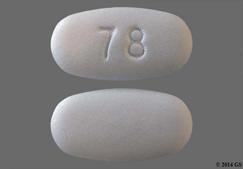
METFORMIN; SITAGLIPTIN is a combination of 2 medicines used to treat type 2 diabetes. This medicine lowers blood sugar. Treatment is combined with a balanced diet and exercise.
Metformin and sitagliptin combination is used to treat high blood sugar levels caused by type 2 diabetes. Metformin reduces the absorption of sugar from the stomach, reduces the release of stored sugar from the liver, and helps your body use sugar better. Sitagliptin helps to control blood sugar levels by increasing substances in the body that make the pancreas release more insulin. It also signals the liver to stop producing sugar (glucose) when there is too much sugar in the blood. This medicine does not help patients who have insulin-dependent or type 1 diabetes.
This medicine is available only with your doctor's prescription.
Take this medicine exactly as directed by your doctor. Do not take more of it, do not take it more often, and do not take it for a longer time than your doctor ordered. To do so may increase the chance of side effects.
This medicine should come with a Medication Guide. Read and follow these instructions carefully. Ask your doctor if you have any questions.
Metformin and sitagliptin combination should be taken with meals to help reduce any stomach upset. Take the extended-release tablets as directed in the evening.
Swallow the extended-release tablet or immediate-release tablet whole. Do not crush, break, or chew it.
Carefully follow the special meal plan your doctor gave you. This is the most important part of controlling your diabetes, and is necessary if the medicine is to work properly. Exercise regularly and test for sugar in your blood or urine as directed.
While taking Janumet® XR, you may see tablets in your stools. If you see tablets in your stool several times, tell your doctor right away. Do not stop taking this medicine without checking first with your doctor.
Along with its needed effects, a medicine may cause some unwanted effects. Although not all of these side effects may occur, if they do occur they may need medical attention.
Check with your doctor immediately if any of the following side effects occur:
Less common
Anxiety
blurred vision
chills
cold sweats
confusion
cool, pale skin
depression
dizziness
fast heartbeat
headache
increased hunger
loss of consciousness
mental cloudiness
nausea
nightmares
not thinking clearly
seizures
shakiness
slurred speech
unusual tiredness or weakness
Rare
Decreased appetite
diarrhea
fast, shallow breathing
general feeling of discomfort
muscle pain or cramping
sleepiness
stomach discomfort
Incidence not known
Blistering, peeling, or loosening of the skin
darkened urine
hives or welts, itching, or skin rash
large, hive-like swelling on the face, eyelids, lips, tongue, throat, hands, legs, feet, or sex organs
loss of appetite
pains in the stomach, side, or abdomen, possibly radiating to the back
puffiness or swelling of the eyelids or around the eyes, face, lips, or tongue
red skin lesions, often with a purple center
severe joint pain
sores, ulcers, or white spots in the mouth or on the lips
vomiting
yellow eyes or skin
Some side effects may occur that usually do not need medical attention. These side effects may go away during treatment as your body adjusts to the medicine. Also, your health care professional may be able to tell you about ways to prevent or reduce some of these side effects. Check with your health care professional if any of the following side effects continue or are bothersome or if you have any questions about them:
More common
Bloated or feeling of fullness
excess air or gas in the stomach or intestines
indigestion
lack or loss of strength
muscle aches
passing gas
sore throat
stuffy or runny nose
vomiting
Other side effects not listed may also occur in some patients. If you notice any other effects, check with your healthcare professional.
Call your doctor for medical advice about side effects. You may report side effects to the FDA at 1-800-FDA-1088.
It is very important that your doctor check your progress at regular visits, especially during the first few weeks that you take this medicine. Blood and urine tests may be needed to check for unwanted effects.
Under certain conditions, too much metformin can cause lactic acidosis. The symptoms of lactic acidosis are severe and appear quickly. It usually occurs when other serious health problems are present, such as a heart attack or kidney failure. Symptoms of lactic acidosis include: abdominal or stomach discomfort, decreased appetite, diarrhea, fast, shallow breathing, a general feeling of discomfort, muscle pain or cramping, and unusual sleepiness, tiredness, or weakness. If you have more than one of these symptoms together, you should get emergency medical help right away.
This medicine may cause hypoglycemia (low blood sugar). This is more common when this medicine is taken together with certain medicines. Low blood sugar must be treated before it causes you to pass out (unconsciousness). People feel different symptoms of low blood sugar. It is important that you learn which symptoms you usually have so you can treat it quickly. Talk to your doctor about the best way to treat low blood sugar.
Hyperglycemia (high blood sugar) may occur if you do not take enough or skip a dose of your medicine, overeat or do not follow your meal plan, have a fever or infection, or do not exercise as much as usual. High blood sugar can be very serious and must be treated right away. It is important that you learn which symptoms you have in order to treat it quickly. Talk to your doctor about the best way to treat high blood sugar.
There may be a time when you need emergency help for a problem caused by your diabetes. You need to be prepared for these emergencies. It is a good idea to wear a medical identification (ID) bracelet or neck chain at all times. Also, carry an ID card in your wallet or purse that says you have diabetes and a list of all your medicines.
Pancreatitis may occur while you are using this medicine. Check with your doctor right away if you have a sudden and severe stomach pain, chills, constipation, nausea, vomiting, loss of appetite, fever, or lightheadedness.
Check with your doctor right away if you have more than one of these symptoms: chest pain, decreased urine output, dilated neck veins, extreme fatigue, irregular breathing, irregular heartbeat, shortness of breath, swelling of the face, fingers, feet, or lower legs, tightness in the chest, trouble breathing, or weight gain. These may be signs of heart failure.
This medicine may cause serious allergic reactions, including anaphylaxis, angioedema, or certain skin conditions (Stevens-Johnson syndrome). These reactions can be life-threatening and require immediate medical attention. Call your doctor right away if you have a rash, itching, blistering, peeling, or loosening of the skin, fever or chills, trouble breathing or swallowing, or any swelling of your hands, face, mouth, or throat while you are using this medicine.
This medicine may cause severe and disabling joint pain. Call your doctor right away if you have severe joint pain while using this medicine.
This medicine may cause bullous pemphigoid. Tell your doctor if you have large, hard skin blisters while using this medicine.
Let your doctor or dentist know that you are taking this medicine. Your doctor may advise you to temporarily stop taking this medicine before you have major surgery or diagnostic tests, including procedures that use contrast dye.
Do not take other medicines unless they have been discussed with your doctor. This includes prescription or nonprescription (over-the-counter [OTC]) medicines and herbal or vitamin supplements.



LowMed Price
11307 Manklin creek rd Unit 1
Berlin MD 21811
1-888-88 LOW MED PRICE
410 629 0112