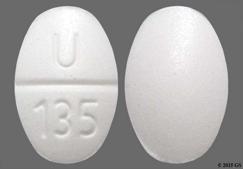
Clonidine(Catapres, Catapres-Tts) is used to treat high blood pressure. It is more popular than comparable drugs. It is available in multiple generic and brand versions. Generic clonidine is covered by most Medicare and insurance plans, but some pharmacy coupons or cash prices may be lower.
Clonidine is used alone or together with other medicines to treat high blood pressure (hypertension). High blood pressure adds to the workload of the heart and arteries. If it continues for a long time, the heart and arteries may not function properly. This can damage the blood vessels of the brain, heart, and kidneys, resulting in a stroke, heart failure, or kidney failure. High blood pressure may also increase the risk for heart attacks. These problems may be less likely to occur if the blood pressure is controlled.
Clonidine belongs to the class of medicines called antihypertensives. It works in the brain to change some of the nerve impulses. As a result, the blood vessels relax and blood passes through them more easily, which lowers blood pressure. When the blood pressure is lowered, the amount of blood and oxygen going to the heart is increased.
This medicine will not cure your high blood pressure, but it does help control it. Therefore, you must continue to use it as directed if you expect to lower your blood pressure and keep it down. You might have to take high blood pressure medicine for the rest of your life.
Kapvay® extended-release tablets is used alone or together with other medicines to treat attention deficit hyperactivity disorder (ADHD). It works by increasing attention and decreasing restlessness in children and adults who are overactive, cannot concentrate for very long, or are easily distracted and impulsive. This medicine is used as part of a total treatment program that also includes social, educational, and psychological treatment.
This medicine is available only with your doctor's prescription.
Your doctor will tell you how much of this medicine to use and how often. Your dose may need to be changed several times in order to find out what works best for you. Do not use more medicine or use it more often than your doctor tells you to.
In addition to the use of this medicine, treatment for your high blood pressure may include weight control and changes in the types of foods you eat, especially foods high in sodium (salt). Your doctor will tell you which of these are most important for you. You should check with your doctor before changing your diet.
Many patients who have high blood pressure will not notice any signs of the problem. In fact, many may feel normal. It is very important that you take your medicine exactly as directed and that you keep your appointments with your doctor even if you feel well.
Remember that this medicine will not cure your high blood pressure but it does help control it. Therefore, you must continue to use it as directed if you expect to lower your blood pressure and keep it down. You may have to take high blood pressure medicine for the rest of your life. If high blood pressure is not treated, it can cause serious problems such as heart failure, blood vessel disease, stroke, or kidney disease.
Swallow the extended-release tablet whole. Do not cut, crush, or chew it. You may take the tablet with or without food.
Clonidine extended-release tablets works differently than clonidine immediate-release tablets. Do not switch from the extended-release tablets to the immediate-release tablets unless your doctor tells you to.
For patients using the extended-release oral suspension:
Shake the bottle well for 5 to 10 seconds before each use.
Insert the adapter into the neck of the bottle.
Insert the syringe tip into the adapter and turn the bottle upside down.
Get the amount of medicine as prescribed by your doctor.
Place the medicine directly into the mouth.
Use only the brand of this medicine that your doctor prescribed. Different brands may not work the same way.
This medicine usually comes with patient information leaflet. Read them carefully and make sure you understand them before taking this medicine. If you have any questions, ask your doctor.
Along with its needed effects, a medicine may cause some unwanted effects. Although not all of these side effects may occur, if they do occur they may need medical attention.
Check with your doctor immediately if any of the following side effects occur:
Less common
Mental depression
swelling of the feet and lower legs
Rare
Anxiety
blistering, burning, crusting, dryness, or flaking of the skin
chest pain or discomfort
confusion as to time, place, or person
decreased urine output
dilated neck veins
drowsiness
dry mouth
fast, pounding, or irregular heartbeat or pulse
fever
general feeling of discomfort or illness
holding false beliefs that cannot be changed by fact
hyperventilation
irregular breathing
irritability
itching, scaling, severe redness, soreness, or swelling of the skin
large, hive-like swelling on the face, eyelids, lips, tongue, throat, hands, legs, feet, or sex organs
lightheadedness, dizziness, or fainting
mental depression
paleness or cold feeling in the fingertips and toes
pounding, slow heartbeat
problems in urination or increase in the amount of urine
raised red swellings on the skin, lips, tongue, or in the throat
restlessness
seeing or hearing things that are not there
shaking
shortness of breath
skin rash
swelling of the face, fingers, feet, or lower legs
tightness in the chest
tingling or pain in the fingers or toes when exposed to cold
trouble with sleeping
troubled breathing
unusual excitement, nervousness, or restlessness
unusual tiredness or weakness
vivid dreams or nightmares
weight gain
wheezing
Get emergency help immediately if any of the following symptoms of overdose occur:
Symptoms of overdose
Dizziness (extreme) or faintness
feeling cold
pinpoint pupils of the eyes
unusual tiredness or weakness (extreme)
Some side effects may occur that usually do not need medical attention. These side effects may go away during treatment as your body adjusts to the medicine. Also, your health care professional may be able to tell you about ways to prevent or reduce some of these side effects. Check with your health care professional if any of the following side effects continue or are bothersome or if you have any questions about them:
More common
Constipation
Less common
Darkening of the skin
decreased sexual ability
dry, itching, or burning eyes
loss of appetite
nausea or vomiting
Rare
Blurred vision
decreased interest in sexual intercourse
hair loss or thinning of the hair
inability to have or keep an erection
leg cramps
loss in sexual ability, desire, drive, or performance
muscle or joint pain
pale skin
swelling of the breasts or breast soreness in both females and males
weakness
Other side effects not listed may also occur in some patients. If you notice any other effects, check with your healthcare professional.
Call your doctor for medical advice about side effects. You may report side effects to the FDA at 1-800-FDA-1088.
It is important that your doctor check your progress at regular visits to make sure that this medicine is working properly. Blood tests may be needed to check for any unwanted effects.
Do not interrupt or stop taking this medicine without first checking with your doctor. Your doctor may want you to gradually reduce the amount you are taking before stopping it completely. Your blood pressure may become worse when the medicine is stopped suddenly, which can cause serious side effects.
Make sure that you have enough clonidine on hand to last through weekends, holidays, or vacations. You should not miss any doses. You may want to ask your doctor for a second written prescription for clonidine to carry in your wallet or purse. You can have it filled if you run out of medicine when you are away from home.
Do not take other medicines unless they have been discussed with your doctor. This includes prescription or nonprescription (over-the-counter [OTC]) medicines and herbal or vitamin supplements. You should avoid over-the-counter [OTC] medicines for appetite control, asthma, colds, cough, hay fever, or sinus problems, since they may tend to increase your blood pressure.
Clonidine will add to the effects of alcohol and other central nervous system (CNS) depressants. CNS depressants are medicines that slow down the nervous system and may cause drowsiness. Some examples of CNS depressants are antihistamines or medicine for hay fever, allergies, or colds; sedatives, tranquilizers, or sleeping medicine; prescription pain medicine or narcotics; barbiturates or medicine for seizures; muscle relaxants; or anesthetics, including some dental anesthetics. Check with your doctor before taking any of the above while you are using this medicine.
Clonidine may cause some people to become drowsy or less alert than they are normally. This is more likely to happen when you begin to take it or when you increase the amount of medicine you are taking. Make sure you know how you react to this medicine before you drive, use machines, or do anything else that could be dangerous if you are not alert.
Before having any kind of surgery (including dental surgery) or emergency treatment, tell the medical doctor or dentist in charge that you are using this medicine.
This medicine may cause dryness of the eyes. If you wear contact lenses, this may be a problem for you. Talk to your doctor if you wear contact lenses, and discuss how to treat the dryness.
Dizziness, lightheadedness, or fainting may occur after you take this medicine, especially when you get up suddenly from a lying or sitting position. Getting up slowly may help, but if the problem continues or gets worse, check with your doctor.
The dizziness, lightheadedness, or fainting is also more likely to occur if you drink alcohol, stand for long periods of time, exercise, or if the weather is hot. While you are taking clonidine, be careful to limit the amount of alcohol you drink. Also, use extra care not to become dehydrated or overheated during exercise or hot weather or if you must stand for a long time.
If you develop a skin rash, hives, or any allergic reaction to this medicine, stop taking the medicine and check with your doctor as soon as possible.
Clonidine may cause dryness of the mouth. For temporary relief, use sugarless candy or gum, melt bits of ice in your mouth, or use a saliva substitute. However, if your mouth continues to feel dry for more than 2 weeks, check with your medical doctor or dentist. Continuing dryness of the mouth may increase the chance of dental disease, including tooth decay, gum disease, and fungus infections.



LowMed Price
11307 Manklin creek rd Unit 1
Berlin MD 21811
1-888-88 LOW MED PRICE
410 629 0112