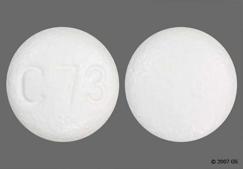
AMLODIPINE; OLMESARTAN is a combination of a calcium channel blocker and an angiotensin II receptor antagonist. This medicine is used to treat high blood pressure.
Amlodipine and olmesartan is a combination of medicines that may be used alone or with other medicines to treat high blood pressure (hypertension). High blood pressure adds to the workload of the heart and arteries. If it continues for a long time, the heart and arteries may not function properly. This can damage the blood vessels of the brain, heart, and kidneys, resulting in a stroke, heart failure, or kidney failure. Lowering blood pressure can reduce the risk of strokes and heart attacks.
Amlodipine is a calcium channel blocker (CCB). It affects the movement of calcium into the cells of the heart and blood vessels. As a result, amlodipine relaxes the blood vessels and increases the supply of blood and oxygen to the heart while reducing its workload.
Olmesartan is an angiotensin II receptor blocker (ARB). It works by blocking a substance in the body that causes the blood vessels to tighten. As a result, olmesartan relaxes blood vessels. This lowers the blood pressure and increases the supply of blood and oxygen to the heart.
This medicine is available only with your doctor's prescription.
In addition to the use of this medicine, treatment for your high blood pressure may include weight control and a change in the types of foods you eat, especially foods high in sodium (salt). Your doctor will tell you which of these are most important for you. You should check with your doctor before changing your diet.
Many patients who have high blood pressure will not notice any signs of the problem. In fact, many may feel normal. It is very important that you take your medicine exactly as directed and that you keep your appointments with your doctor even if you feel well.
Remember that this medicine will not cure your high blood pressure, but it does help control it. You must continue to take it as directed if you expect to lower your blood pressure and keep it down. You may have to take high blood pressure medicine for the rest of your life. If high blood pressure is not treated, it can cause serious problems such as heart failure, blood vessel disease, stroke, or kidney disease.
You may take this medicine with or without food.
If you are also using colesevelam (Welchol®), take it at least 4 hours after taking Azor®.
Along with its needed effects, a medicine may cause some unwanted effects. Although not all of these side effects may occur, if they do occur they may need medical attention.
Check with your doctor immediately if any of the following side effects occur:
More common
Bloating or swelling of the face, arms, hands, lower legs, or feet
rapid weight gain
Less common
Fast, irregular, pounding, or racing heartbeat or pulse
unusual tiredness or weakness
Incidence not known
Abdominal or stomach pain
dark urine
decreased urine output
diarrhea
fever
itching skin or rash
large, hive-like swelling on the face, eyelids, lips, tongue, throat, hands, legs, feet, or sex organs
light-colored stools
muscle pain or stiffness
upper right abdominal or stomach pain
yellow eyes or skin
Some side effects may occur that usually do not need medical attention. These side effects may go away during treatment as your body adjusts to the medicine. Also, your health care professional may be able to tell you about ways to prevent or reduce some of these side effects. Check with your health care professional if any of the following side effects continue or are bothersome or if you have any questions about them:
Less common
Dizziness
feeling of warmth
redness of the face, neck, arms, and occasionally, upper chest
sleepiness or unusual drowsiness
Incidence not known
Hives or welts
redness of the skin
Other side effects not listed may also occur in some patients. If you notice any other effects, check with your healthcare professional.
Call your doctor for medical advice about side effects. You may report side effects to the FDA at 1-800-FDA-1088.
It is very important that your doctor check your progress at regular visits to make sure this medicine is working properly. Blood tests may be needed to check for unwanted effects.
Using this medicine while you are pregnant can harm your unborn baby. Use an effective form of birth control to keep from getting pregnant. If you think you have become pregnant while using this medicine, tell your doctor right away.
Dizziness, lightheadedness, or fainting may also occur especially when you get up from a lying or sitting position or if you have been taking a diuretic (water pill). Make sure you know how you react to this medicine before you drive, use machines, or do anything else that could be dangerous if you are dizzy or not alert. If you feel dizzy, lie down so you do not faint. Then sit for a few moments before standing to prevent the dizziness from returning.
Check with your doctor right away if you become sick while taking this medicine, especially with severe or continuing nausea, vomiting, or diarrhea. These conditions may cause you to lose too much water and may lead to blood pressure. You can also lose water by sweating, so drink plenty of water during exercise or in hot weather.
Check with your doctor right away if you have chest pain that is worse than usual, trouble breathing, nausea, unusual sweating, faintness, or pain in your arms, jaw, back, or neck. This medicine may worsen the symptoms of an existing heart problem.
Severe, chronic diarrhea with weight loss may develop months to years after taking this medicine. Tell your doctor right away if you have these symptoms.
Do not take other medicines unless they have been discussed with your doctor. This includes prescription or nonprescription (over-the-counter [OTC]) medicines and herbal or vitamin supplements.



LowMed Price
11307 Manklin creek rd Unit 1
Berlin MD 21811
1-888-88 LOW MED PRICE
410 629 0112